
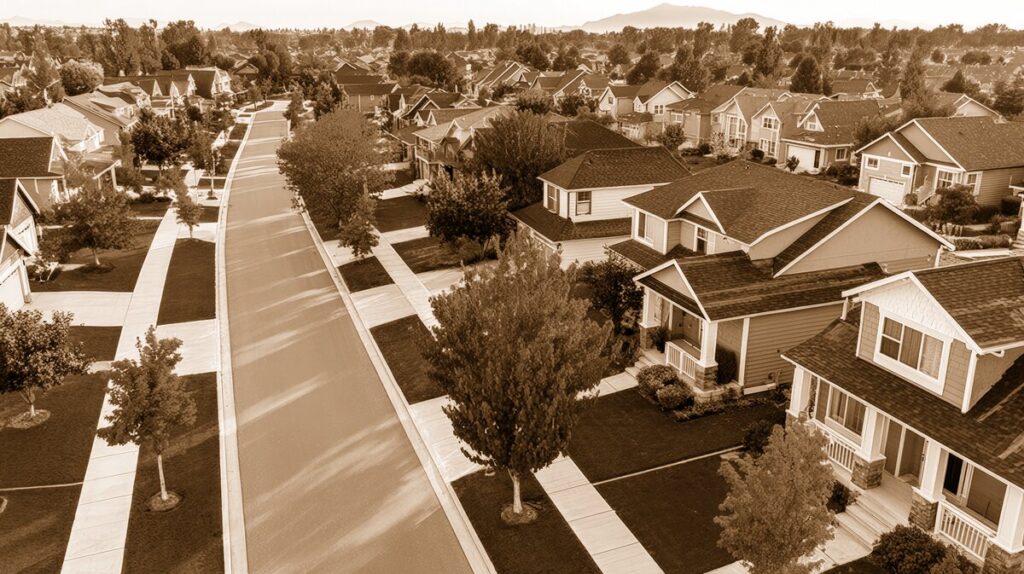
Nestled in the heart of Los Altos, the Adams neighborhood is a quiet, leafy enclave that carries the echoes of a rich history alongside the warmth of close-knit community spirit. As one of Los Altos’ enduring residential gems, Adams continues to charm both longtime residents and newcomers alike with its storied past, tree-lined streets, and enduring landmarks. In this article, we’ll journey through the origins of Adams, uncover the stories behind its name, visit historic buildings, and explore how this special neighborhood has gracefully evolved through the decades.
Origins: Early Days of the Adams Neighborhood
The roots of the Adams neighborhood stretch back to the early 20th century, when the Santa Clara Valley was better known as the "Valley of Heart’s Delight" for its rich orchards and rolling farmlands. Before tract homes and tidy streets took shape, this area was dotted with apricot, cherry, and plum trees cared for by pioneer families who shaped Los Altos’ agricultural legacy.
In the 1920s and 1930s, as the Southern Pacific Railroad connected the valley to San Francisco and San Jose, more families settled in Los Altos, seeking peaceful environs away from city bustle. The area that would become Adams attracted both farmers and businesspeople, drawn by the promise of ample land and a close-knit rural lifestyle.
How Adams Got Its Name
There are a few local legends surrounding the naming of Adams. The most widely accepted story is that the neighborhood was named for Charles Adams, an early landowner whose orchards once sprawled across what’s now known as Adams Avenue and its surrounding blocks. Adams was a respected figure who, along with other early settlers, championed the creation of community roads and the establishment of schools in the district.
Other longtime residents recall a time when Adams Avenue was a key thoroughfare for orchard workers and their horse-drawn wagons. Over the years, “Adams” became synonymous with the friendly, hardworking spirit of those who made Los Altos their home.
Key Historical Milestones
- Postwar Growth: Like much of Los Altos, Adams saw transformative change in the years following World War II. The surge in Silicon Valley’s tech industry brought new families and a housing boom. Ranch-style homes began popping up along streets like Morton Avenue and Valencia Drive, replacing farmland but retaining the area’s lush greenery.
- Community Development: In the 1950s and 1960s, Adams established itself as a family-friendly neighborhood. Local schools such as Covington Elementary and nearby Blach Intermediate provided not just education, but gathering points for the neighborhood, nurturing a tradition of block parties and seasonal celebrations.
- Preserving Green Spaces: The Adams neighborhood has always prioritized retaining Los Altos’ signature tree canopy. Heritage oaks and elegant magnolias grace front yards and line avenues, thanks to decades of community-led preservation efforts.
- Modern Renewal: In the 1990s and 2000s, Adams saw a wave of home renovations and thoughtful rebuilds, blending classic West Coast architecture with modern comforts—always with an eye toward retaining the neighborhood’s historic character.
Notable Landmarks and Hidden Gems
While Adams is primarily a residential district, it boasts a handful of landmarks and cherished spots that locals hold dear:
- Adams Avenue: The central artery of the neighborhood, Adams Avenue, curves gracefully between Springer Road and Almond Avenue, providing access to many of the area’s oldest homes and showcasing beautiful gardens.
- Heritage Homes: Several properties along Morton Avenue and Valencia Drive date back to the 1940s and 50s, lovingly maintained and in some cases, updated with an eye on historic preservation. The Craftsman bungalows and original ranches are favorites during annual neighborhood walking tours.
- Shoup Park: Just a short stroll from the southern edge of Adams, Shoup Park serves as a natural haven for families. Its picnic grounds and redwood groves have been hosting birthdays, reunions, and summer concerts for generations.
- Covington Elementary: More than a school, Covington is a pillar of the Adams community and a symbol of its family-centered values. Its mural-adorned campus and tree-shaded playgrounds are fondly remembered by generations of students.
Evolution Through the Decades
Over the years, change has come gently to Adams. The influx of new tech workers and families has brought diversity and fresh energy, while longtime residents maintain the traditions that define community life: annual block parties, the fall harvest potluck, and the iconic Fourth of July bike parade winding down Adams Avenue.
Adams has also evolved architecturally, balancing preservation with thoughtful updates. Modern interpretations of the classic Eichler and mid-century ranch house blend seamlessly with original structures, all shaded by mature trees that are, themselves, living witnesses to the neighborhood’s story.
What Makes Adams Special Today
The unique spirit of Adams lies not just in its scenic streets or well-tended homes, but in the connections among neighbors. Whether it’s waving hello on a morning dog walk along Springer Road, volunteering at nearby Grant Park, or swapping garden clippings over picket fences, life in Adams hums with simple joys and enduring loyalties.
At the end of the day, what makes the Adams neighborhood truly special is its identity—a place where history is cherished, green spaces are protected, and every sunset feels touched with the legacy of those who came before.
Discovering the Heart of Los Altos
For newcomers exploring Los Altos or longtime residents reflecting on their roots, the Adams neighborhood stands as a living testament to the city’s rich heritage. With each season, Adams weaves new memories into its story, welcoming all who wish to be part of its ongoing journey.
So, next time you find yourself ambling down Adams Avenue beneath the dappled shade of an old heritage oak, pause for a moment—and feel the history, heart, and hospitality that make Adams a beloved chapter in the Los Altos story.